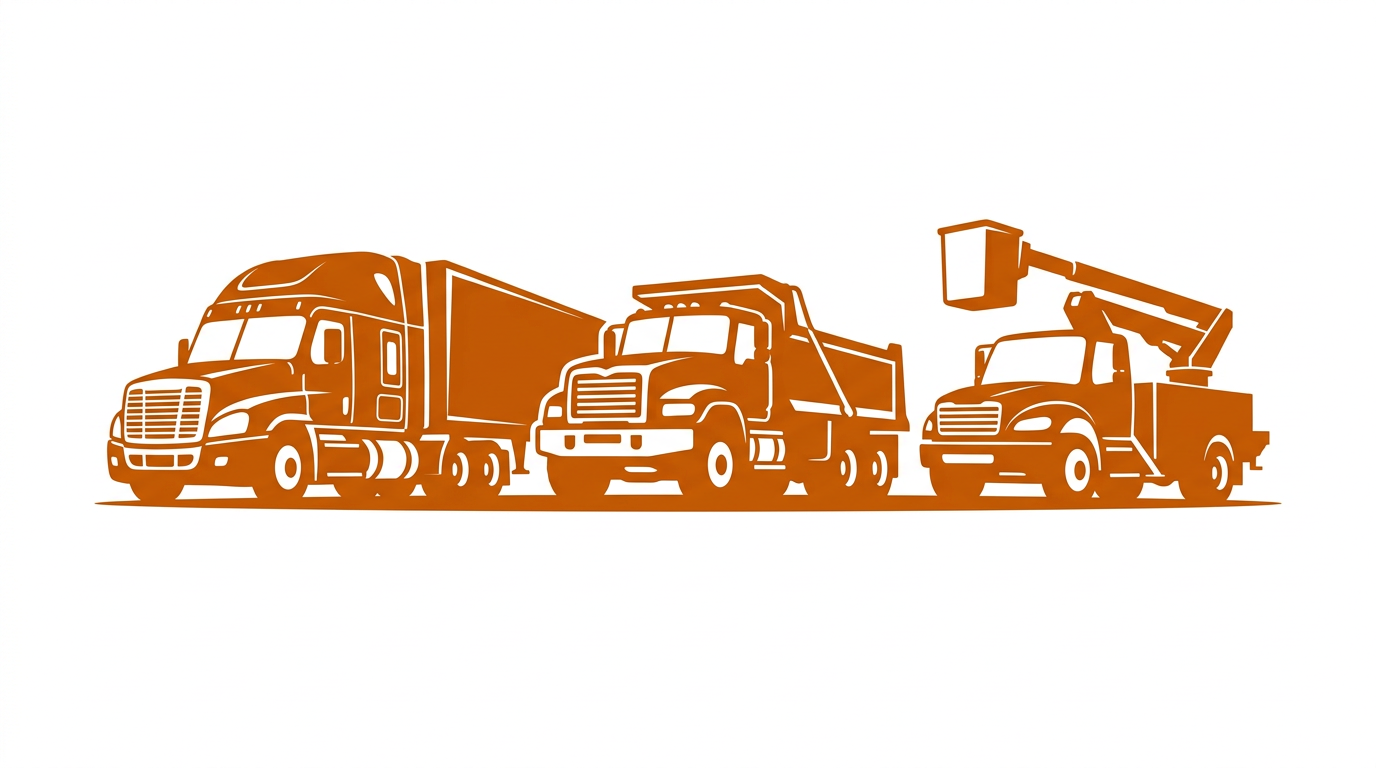
Dump Truck vs Semi Truck Comparison
| Vehicle | Typical Cost | Typical Revenue Potential | Typical License Required |
|---|---|---|---|
| Dump Truck | $80k – $180k | Construction hauling | Class B CDL |
| Semi Truck | $120k – $200k | Freight | Class A CDL |
| Vehicle Type | Typical Cost | Common Industries | Typical Financing Structures |
|---|---|---|---|
| Dump Truck | $80,000 – $180,000 new; $45,000 – $90,000 used | Construction, aggregate hauling, paving, site work, materials suppliers | 36–60 months; 10–15% down for qualified borrowers; strong collateral market |
| Semi Truck | $120,000 – $200,000 new; $50,000 – $120,000 used | Freight, logistics, long-haul trucking, regional delivery | 48–72 months; 10–15% down for qualified borrowers; strongest collateral market |
Key Differences
Dump trucks are straight trucks with a hydraulic dump body. They haul aggregate, dirt, asphalt, and materials. Revenue comes from tonnage, haul rates, or contract work. Owner-operators and small fleets dominate. Financing terms are often shorter than semi trucks because dump bodies wear faster.
Semi trucks are tractors that pull trailers. They move freight over the road–dry van, flatbed, refrigerated, tanker. Revenue comes from freight rates, contracts, or dedicated lanes. Semi trucks have the strongest resale market in commercial trucking, which supports longer terms and competitive rates.
Cost and Benefit Summary
Dump trucks have lower upfront cost ($80k–$180k vs $120k–$200k for semis) but serve a narrower market. Construction and hauling work is often local or regional. Semi trucks open freight and logistics opportunities but require Class A CDL and often longer routes. Resale value for semi trucks tends to be stronger due to broader demand.
Use-Case Recommendations
- Construction contractor or materials hauler: Dump truck. Straight truck, Class B CDL often sufficient, works on job sites.
- Freight carrier or owner-operator: Semi truck. Trailer flexibility, access to freight lanes, higher revenue potential per mile.
- Diversified business: Some operators run both—dump truck for local work, semi for freight when demand allows.
Financing Comparison
Both dump trucks and semi trucks are widely financed. Semi trucks typically qualify for longer terms (60–84 months new) due to stronger resale markets. Dump truck terms may be shorter (48–72 months) because dump bodies wear faster. Down payment: 10–30% for both; strong credit may qualify for $0 down. See Dump Truck Financing and Semi Truck Financing for details.
Which Is Right for You?
Choose a dump truck if you serve construction, excavation, or aggregate hauling. Choose a semi truck if you haul freight, run regional or long-haul routes, or need trailer flexibility. Both qualify for competitive financing when business revenue and credit support the application.
Related Comparisons
If you are deciding between other equipment types, see Bucket Truck vs Boom Truck for aerial work; Vac Truck vs Hydro Excavation Truck for environmental services; Tow Truck vs Rollback Truck for towing. See Vehicle Comparison Chart for cost and revenue data across all vehicle types.
Learn more:
Dump truck financing Semi truck financing Cement truck financing Flatbed truck financing Box truck financing Commercial Vehicle Financing Construction Truck Financing How to Start a Dump Truck Business